Cost of Living in Thailand 2026: Phuket, Bangkok and Beyond
For the price of a two-bedroom flat in a European capital, you can live in Thailand in a way that most people only read about. A private pool, dinner overlooking the Andaman Sea, an international school for your child, and health insurance on par with a Swiss private clinic. This is the daily reality for thousands of expatriates who have relocated to Thailand in recent years.
In 2026, the Thai baht exchange rate hovers around 34-36 THB per USD and 8.8-9.2 THB per Polish zloty. Whether you earn in euros, pounds, or dollars, or generate rental income from property back home, Thailand offers a compelling cost-quality equation that few destinations can match. Below is a detailed, scenario-based breakdown of every significant expense category.
Quick answer
- Single expat in Phuket spends approximately $1,300-$1,900 per month (rent, food, transport, health insurance) at a comfortable standard.
- Family of three in Bangkok requires $3,000-$6,800 per month, including an international school.
- Air-conditioned 1-bedroom apartment in a good district costs $500-$1,100 in Phuket and $600-$1,500 in Bangkok.
- Private doctor visit runs $20-$55, and annual health insurance costs $600-$1,500 (under age 50, no serious pre-existing conditions).
- Meal at a local Thai restaurant costs $4-$7, while a Western bistro lunch runs $12-$25.
- Fibre internet (200-1000 Mbps) costs $25-$50 per month, fully adequate for remote work and video calls.
Options and scenarios
Scenario 1: Solo remote worker in Phuket
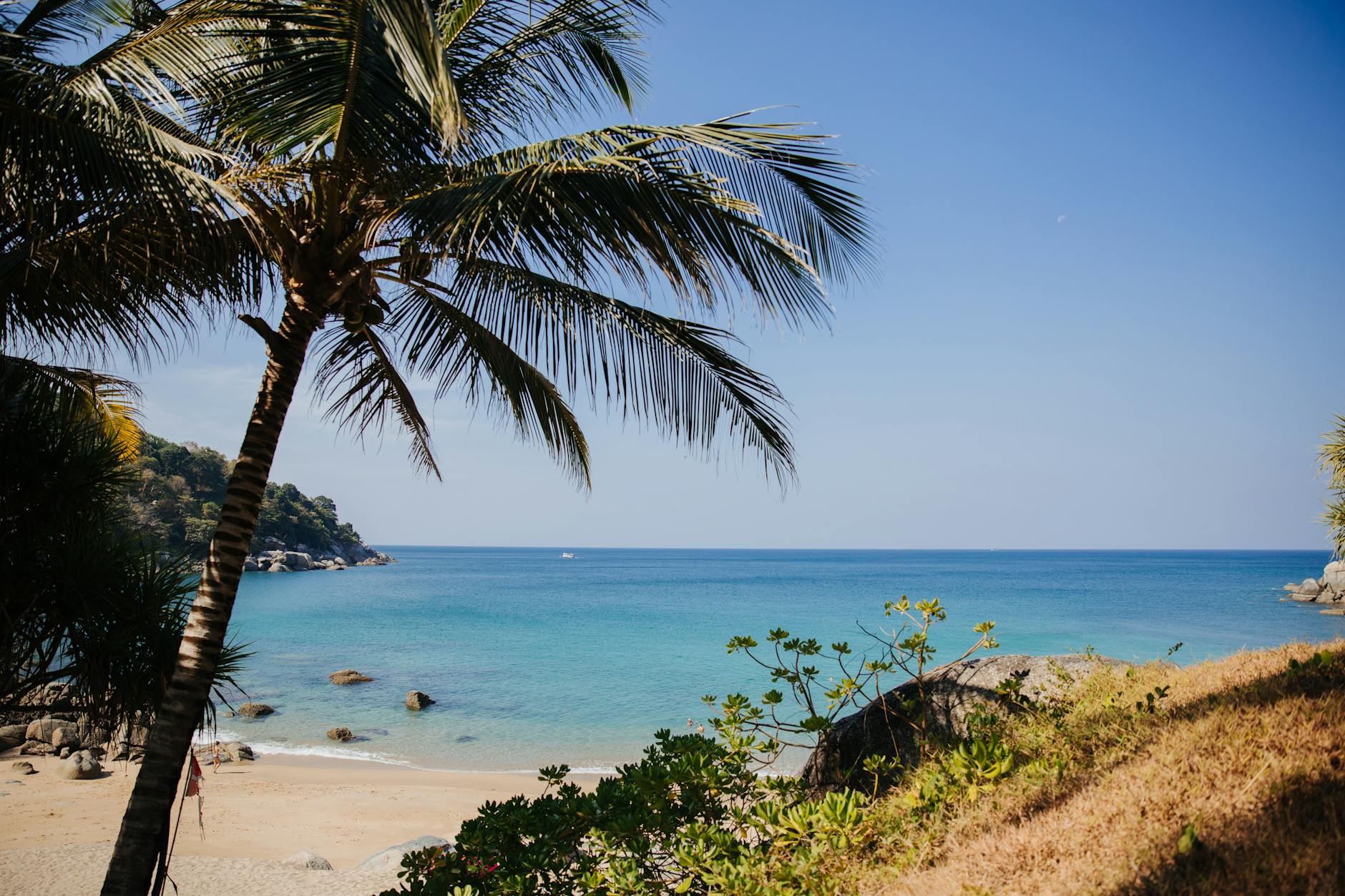
You settle in Rawai or Chalong, quieter, residential, and a world away from the tourist chaos of Patong. A studio or one-bedroom unit with a pool in a condominium complex (developments like The Title Rawai or COCO Rawai are typical references) runs $550-$800 per month. You eat mostly at local spots on Soi Saiyuan, cook occasionally at home. Food budget: $300-$500. A Honda Click 125 scooter rental for the year: $90 per month. True Fibre 500 Mbps internet: $30. A gym membership at a well-equipped facility: $60 per month. Health insurance through a provider like Luma or Pacific Cross: $75 per month. Entertainment, coffee, weekend trips: $200-$380. Total: approximately $1,300-$1,900 per month.
A comparable lifestyle in a Western European city, studio with gym access, eating out regularly, good health coverage, would cost $1,600-$2,300 per month or more.
Scenario 2: Couple on Koh Samui
Bophut and Maenam on Samui's north shore attract expat couples seeking a quieter pace. A villa with a private pool (1-2 bedrooms) runs $1,100-$1,750 per month. A pickup truck rental adds around $450 per month, almost essential on the island. Food for two (home cooking plus regular restaurant meals): $750-$1,100. Bangkok Hospital Samui is on the island for any medical needs, a specialist consultation costs $30-$50. Health insurance for two: $125 per month. Total: $2,600-$3,600 per month for a genuinely comfortable life.
Scenario 3: Family of three in Bangkok
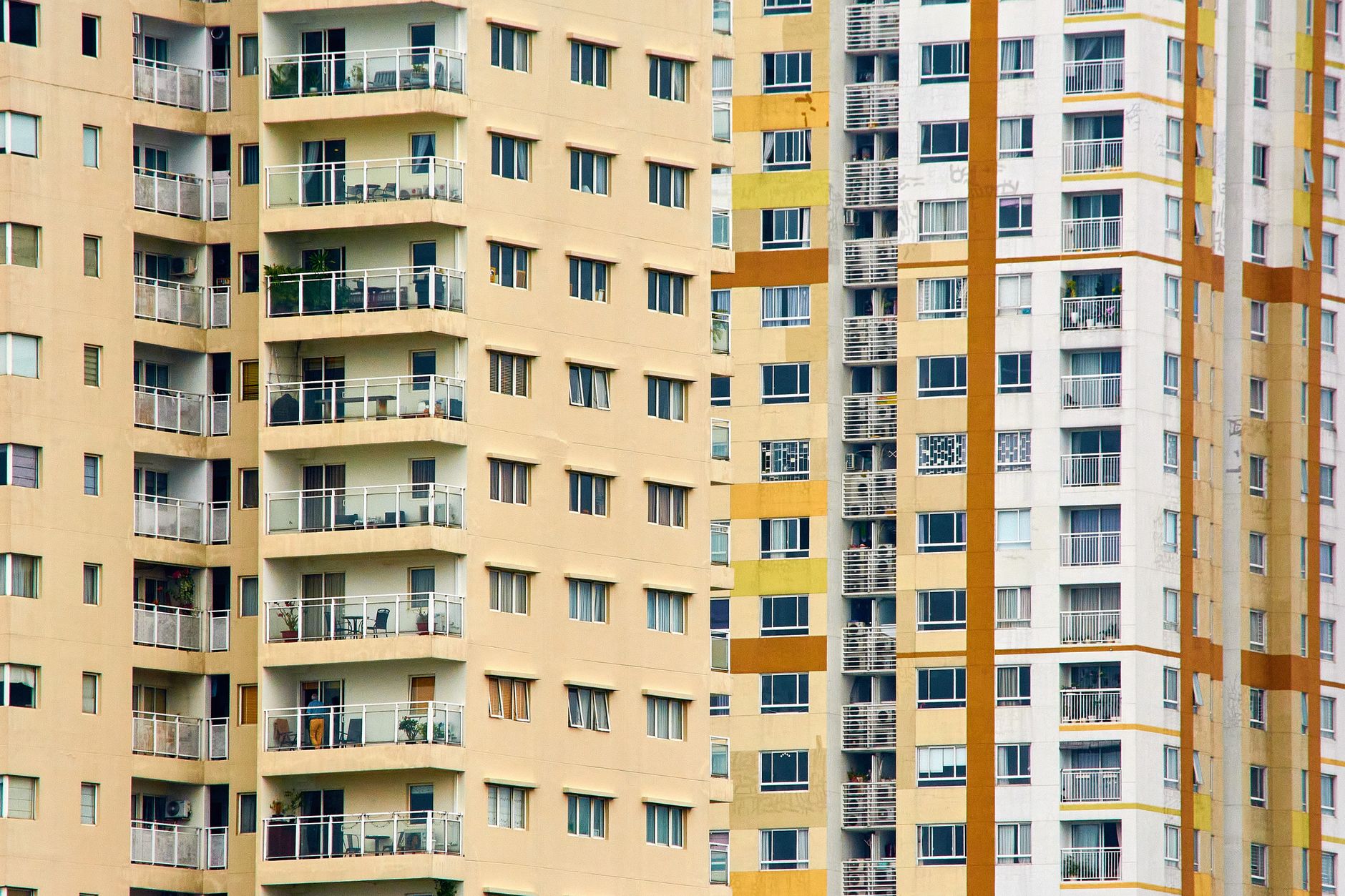
Sukhumvit, especially the stretch between BTS stations Phrom Phong and Thong Lo, is the established hub for international families. A two-bedroom apartment in a quality building (Park Origin Phrom Phong is a typical reference point) runs $1,100-$1,750 per month. International school tuition is the dominant cost variable: Bangkok Patana School and NIST International School charge $22,000-$32,000 per year for primary levels. More accessible options include KIS International School or St. Andrews at $14,000-$21,000 annually. Family food budget: $1,000-$1,500. BTS, MRT and Bolt/Grab transport: $150-$300. Family health insurance: $225-$375 per month. Total excluding school: $2,600-$4,000 per month. Including school: $3,800-$6,800 depending on the institution.
For context, top international schools in major European cities charge comparable annual fees, so the school cost is less of a differential than other expense categories.
Scenario 4: Retiree in Hua Hin
Hua Hin has attracted Scandinavian and British retirees for decades. A growing cohort of European expats from other countries is now discovering this relaxed coastal town, located 2.5 hours south of Bangkok. A house with a garden rents for $500-$875 per month. Food from night markets and home cooking: $375-$625. Bangkok Hospital Hua Hin provides full diagnostic services, a comprehensive health check runs $200-$300. Golf is part of life here, with green fees at $40-$90 per round. Total: $1,250-$2,000 per month at a relaxed, high-quality pace.
Comparison table
| Parameter | Phuket (single) | Bangkok (family 3) | Koh Samui (couple) | Hua Hin (retiree) |
|---|---|---|---|---|
| Rent per month | $550-$800 | $1,100-$1,750 | $1,100-$1,750 | $500-$875 |
| Food per month | $300-$500 | $1,000-$1,500 | $750-$1,100 | $375-$625 |
| Transport | $90 (scooter) | $150-$300 | $450 (car rental) | $100-$200 |
| Health insurance | $75 | $225-$375 | $125 | $150-$300 |
| Fibre internet | $30 | $30-$50 | $30 | $25-$30 |
| International school | N/A | $1,150-$2,700/mo | N/A | N/A |
| Total per month | $1,300-$1,900 | $3,000-$6,800 | $2,600-$3,600 | $1,250-$2,000 |
| Equivalent standard in Western Europe | $1,600-$2,300 | $4,000-$7,500 | $3,000-$4,500 | $1,400-$2,200 |
Risks and mistakes
Currency fluctuation is a real expense. The Thai baht has moved significantly against major currencies over recent years. If your income is in a European currency, a sudden depreciation of your home currency will raise your effective cost of living overnight. Holding a financial buffer in USD or THB is a prudent hedge.
Visa requirements have real costs. The Non-Immigrant O-A visa (for those aged 50 and above) requires a bank deposit of 800,000 THB (approximately $23,000) in a Thai account, or proof of monthly income of 65,000 THB. Digital nomads typically use the DTV (Destination Thailand Visa), which costs 10,000 THB (around $285), is valid for five years, and allows stays of up to 180 days per entry. The Thailand Privilege (formerly Elite) Visa starts at 600,000 THB for five years and is the most convenient long-stay option.
Health insurance premiums rise sharply after 50. An annual policy for a 55-year-old with hospital coverage up to 5 million THB can reach $2,500-$4,500 per year with reputable providers. Always compare multiple quotes and read the exclusion clauses carefully.
Tourist-zone pricing is not living-zone pricing. In areas like Bangla Road or Patong in Phuket, prices can be inflated two to three times compared to residential neighbourhoods. For actual living, districts like Rawai, Chalong, and Kathu in Phuket, or On Nut and Udom Suk in Bangkok, offer authentic pricing and better community integration.
Tax residency has consequences. Spending more than 180 days per year in Thailand may make you a Thai tax resident. Since 2024, Thailand taxes foreign-sourced income transferred into the country in the year it is earned. If you maintain tax residency in your home country simultaneously, you should consult a tax advisor familiar with the relevant double-taxation treaty. Many European countries have such agreements with Thailand.
Do not sign a lease without legal review. Standard Thai tenancy agreements can contain clauses unfavourable to the tenant, including punitive deposit forfeiture terms for early termination. A property lawyer can review a contract for $350-$750, a worthwhile cost before committing to a year-long lease.
FAQ
How much does it cost to live in Thailand in 2026?
A single expat in Phuket can live comfortably for $1,300-$1,900 per month including rent, food, transport, and health insurance. A family of three in Bangkok with an international school typically needs $3,000-$6,800 per month. Both figures represent a meaningful saving over equivalent lifestyles in Western Europe or North America.
Can I work remotely from Thailand in 2026?
Yes. True and AIS fibre internet offers speeds of 200-1,000 Mbps for $25-$50 per month. Coworking spaces such as Punspace in Chiang Mai, Hubba in Bangkok, and various facilities in Phuket cost $100-$225 per month. The DTV visa legally permits stays of up to 180 days per entry, making it the standard choice for remote workers.
What is healthcare like in Thailand for foreigners?
Private hospitals including Bumrungrad International in Bangkok, Bangkok Hospital Phuket, and Samui International Hospital deliver care to international standards, usually with English-speaking staff. A specialist consultation costs $40-$110. A full health check including blood panel and ECG runs $200-$550. Annual health insurance for someone under 50 typically costs $600-$1,500.
How much does an international school cost in Thailand?
Annual tuition ranges from approximately $8,500 at smaller regional schools in Chiang Mai or Hua Hin to $32,000 at top-tier Bangkok institutions such as Bangkok Patana School or NIST International School. IB curriculum programmes tend to be priced at the higher end of the range.
Is Thailand cheaper than Western countries in 2026?
For food, rent, and transport, yes, by 20-50% depending on location. Imported European food products and international school fees are comparable to or occasionally more expensive than Western prices. Services such as massage, cleaning, and haircuts cost three to five times less than in Europe or North America.
Which Bangkok neighbourhood is best for expat families?
Sukhumvit around BTS Phrom Phong, Thong Lo, and Ekkamai is the established choice, dense with restaurants, international schools, hospitals, and expat community. For a lower budget along the same BTS Sukhumvit line, On Nut and Bearing offer rents 30-40% lower with good connectivity.
Which visa should I choose for a long stay in Thailand?
The DTV (Destination Thailand Visa) suits remote workers and digital nomads, valid five years, 180 days per entry, cost of 10,000 THB. The Non-Immigrant O-A is designed for retirees over 50 with income or deposit requirements. The Thailand Privilege Card starts at 600,000 THB for five years and is the most convenient option for those who want a frictionless long-term stay.
Is it worth buying a car in Thailand?
A new Toyota Hilux pickup costs approximately $40,000-$57,000, while a Honda City sedan runs $20,000-$26,000. Foreigners can register a vehicle in their own name. Annual third-party insurance costs $200-$430. On islands like Phuket or Samui, a scooter rental at $90-$130 per month is more practical for most residents.
What is the expat community like in Thailand?
Bangkok has a large and active international community across dozens of nationalities, with established networks centred on Sukhumvit and nearby districts. Phuket's expat community, particularly in Rawai and Nai Harn, is well-organised, with regular social events, sports groups, and professional networks. English is widely spoken in hospitals, international schools, and most service businesses.
Should I rent or buy property in Thailand as a foreigner?
Foreigners cannot own land freehold in Thailand, but can own a condominium unit outright as long as foreign ownership in the building does not exceed 49% of total floor area. A well-located condo in Phuket or Bangkok can generate 5-8% annual rental yield through short-term rentals, making ownership a dual-purpose decision: a personal residence and an income-producing asset.
When you set monthly expenditure against quality of life, ten months of sunshine annually, world-class beaches within minutes, and medical care that competes with the best in Asia, the numbers clearly favour Thailand. And if you move from renting to owning, your fixed monthly costs fall further while your asset works for you.
Ready to invest in Thailand or Cambodia property? Send us a request, our experts will find the best options for you.