
Quality of Life in Phuket in 2026: 7 Facts That Will Surprise International Investors
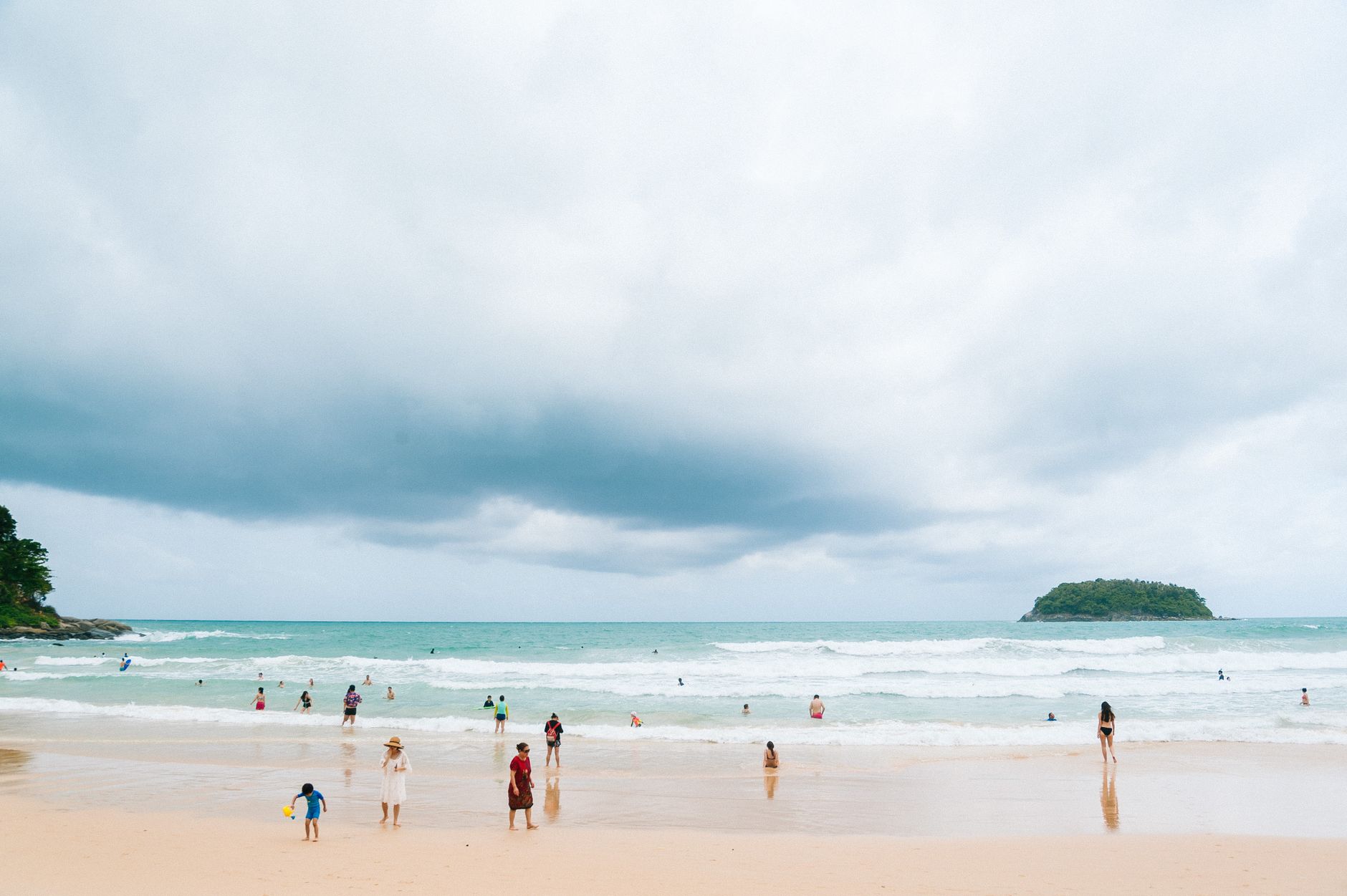
A morning espresso at a cafe overlooking the Andaman Sea costs around 65 THB, less than two US dollars. By evening, you are twelve minutes by scooter from Bangkok Hospital Phuket, a JCI-accredited facility that outperforms many European hospitals in patient outcomes. In between, you have put in a full remote workday on a 500 Mbps fibre connection, dropped the kids at an IB school, and watched the sun set over Kata Noi beach. That is a typical Tuesday on Phuket in 2026.
For international investors and professionals considering relocation or a property purchase on the island, one question matters above all: does the quality of life in Phuket genuinely surpass what major European cities offer, at a comparable or lower monthly budget? The honest answer is yes, but only under specific conditions that are worth understanding in detail.
Quick answer
- Monthly cost of living for a couple without children ranges from 4,500 to 7,000 USD (rent, food, transport, health insurance), approximately 15 to 25 percent less than in major Western European cities, at a noticeably higher residential standard.
- International schools (British International School Phuket, HeadStart International, UWC Thailand) charge annual tuition fees of 350,000 to 950,000 THB (roughly 9,500 to 26,000 USD).
- Private healthcare is 40 to 60 percent cheaper than equivalent private clinics in Western Europe, with comparable or superior service quality.
- 1 Gbps fibre broadband from providers 3BB, True, or AIS costs around 900 THB per month (under 25 USD), significantly cheaper than in most European capitals.
- Flight time from major European hubs is 11 to 14 hours with one connection (typically Doha, Dubai, or Bangkok). The time difference of plus five or six hours relative to Central Europe allows remote workers to operate during afternoon Phuket hours.
- The international expat community on the island numbers tens of thousands, spanning British, Russian, Scandinavian, German, and growing Central European populations, supported by a mature ecosystem of co-working spaces, international clinics, and multilingual services.
Options and scenarios
Scenario 1: Single professional or couple working remotely
The optimal neighbourhoods are Rawai and Chalong, quieter areas with strong infrastructure, multiple co-working spaces (including Garage Society Phuket and Hatch Coworking), and easy access to beaches. A modern apartment with pool and gym in these districts rents for 18,000 to 30,000 THB per month (500 to 850 USD). A meal at a local Thai restaurant costs 80 to 180 THB, while a sit-down European restaurant runs 350 to 600 THB for two.
Comfortable monthly budget without luxury: 3,800 to 5,500 USD.
Scenario 2: Family with school-age children
The school choice is the central decision. British International School Phuket (BISP) in Koh Kaew offers the IB and Cambridge curricula from kindergarten through secondary. Year 7 to 13 tuition in 2026 runs approximately 680,000 to 830,000 THB per year (18,500 to 22,500 USD). HeadStart International School on Chalong Hill is a more affordable option at 280,000 to 450,000 THB annually. UWC Thailand in Thalang is a prestigious residential school with tuition of 750,000 to 950,000 THB, with a meaningful portion of places funded by scholarships.
Families with children typically rent three- to four-bedroom villas around Laguna or Cherng Talay for 45,000 to 80,000 THB per month (1,200 to 2,200 USD), properties that include a private pool, garden, and security. A comparable property in London, Paris, or Amsterdam would cost three to five times more per month.
Monthly budget for a family of four (tuition amortised monthly): 7,000 to 12,000 USD.
Scenario 3: Retiree or semi-retired professional
Thailand offers the Non-Immigrant O-A (Long Stay) visa for applicants over 50. It requires a deposit of 800,000 THB in a Thai bank account or a verified monthly income of at least 65,000 THB. Favoured neighbourhoods for retirees include Nai Harn, Kamala, and Bang Tao, quieter, greener, with direct beach access.
A one-bedroom sea-view condominium rents for 15,000 to 25,000 THB per month. Total monthly living costs settle between 2,800 and 4,200 USD, roughly equivalent to a comfortable retirement in a mid-tier European city, but with 300 sunny days per year, no heating bills, and world-class private healthcare nearby.
Comparison table
| Parameter | Phuket 2026 | London 2026 | Berlin 2026 |
|---|---|---|---|
| 2-bedroom apartment rent (mid-market) | 550-950 USD | 2,800-4,500 USD | 1,500-2,500 USD |
| Dinner for two (restaurant) | 17-35 USD | 60-120 USD | 40-80 USD |
| International school (per year) | 9,500-26,000 USD | 25,000-55,000 USD | 12,000-30,000 USD |
| Private specialist consultation | 28-70 USD | 150-350 USD | 80-200 USD |
| Fibre internet 500+ Mbps | 20-33 USD/month | 45-70 USD/month | 35-60 USD/month |
| Average January temperature | 27-31 C | 4-8 C | 0-4 C |
| Travel time to beach | 5-20 minutes | N/A | N/A |
| Annual health insurance (per person) | 850-1,650 USD | 1,500-4,000 USD | 1,200-3,000 USD |
Risks and mistakes
1. Underestimating the rainy season. From May to October, Phuket receives up to 400 mm of rainfall per month. This does not mean constant rain, but humidity consistently exceeds 85 percent, which affects comfort and property condition. Air conditioning and a dehumidifier are essential running costs, not optional extras.
2. Riding a motorbike without adequate experience. Phuket has one of the highest road accident rates in Thailand. Visitors accustomed to European road conditions frequently underestimate the traffic intensity on Route 402 and secondary island roads. Practical alternatives include renting a car or using ride-hailing apps such as Grab or Bolt, both of which operate across the island.
3. Using a tourist visa for long-term residence. The standard 60-day visa exemption with a 30-day extension is not designed for permanent living and carries regulatory risk. For stays beyond 90 days, consider the Thailand Long-Term Resident (LTR) Visa (10-year validity, for remote workers earning a minimum of 80,000 USD per year), the Non-Immigrant O-A for those over 50, or the Thailand Elite Visa (five to twenty years, with a one-time fee of 600,000 to 2,000,000 THB).
4. Arriving without international health insurance. Thailand's public health system does not cover foreign nationals. A serious procedure at Bangkok Hospital Phuket or Siriroj International Hospital without coverage can cost 50,000 to 200,000 THB. A comprehensive annual policy from providers such as Luma Health or Pacific Cross costs 30,000 to 55,000 THB and covers hospitalisation up to 3 million THB.
5. Overlooking home country tax obligations. If you maintain tax residency in your home country (based on centre-of-life criteria or days present), income earned remotely while living in Thailand may still be taxable at home. Thailand introduced taxation on foreign-sourced income transferred into Thai bank accounts in 2024. Consulting a qualified international tax adviser before relocating is strongly recommended.
FAQ
What does it cost to live comfortably in Phuket in 2026?
A single professional or couple without children can live very comfortably on 3,800 to 5,500 USD per month, covering rent, food, transport, and health insurance. A family of four including school tuition should budget 7,000 to 12,000 USD per month. These figures are broadly comparable to or lower than equivalent European city costs, with a significantly higher standard of residential quality and climate.
Which international schools operate in Phuket?
The main options are British International School Phuket (BISP) in Koh Kaew (IB and Cambridge curricula, approximately 18,500 to 22,500 USD per year for secondary), HeadStart International School in Chalong (British curriculum, more affordable at 7,500 to 12,000 USD per year), and UWC Thailand in Thalang (prestigious IB residential programme, 20,000 to 26,000 USD per year with scholarships available).
Is healthcare in Phuket reliable for expats?
Yes. Bangkok Hospital Phuket and the international department of Vachira Phuket Hospital both hold JCI accreditation. A private specialist appointment costs 28 to 70 USD, which is 30 to 50 percent less than equivalent private care in most of Western Europe. Waiting times are typically same-day or next-day.
Is internet connectivity in Phuket good enough for remote work?
Fully. Fibre broadband from 3BB, True, or AIS delivers 500 Mbps to 1 Gbps for 700 to 1,200 THB per month. Ping to European servers runs 130 to 180 ms. The majority of co-working spaces and cafes offer 100+ Mbps connections. Remote work is entirely viable across the island.
Which area of Phuket is best for expats?
Rawai and Chalong suit single professionals and couples looking for a quieter base with good co-working and dining infrastructure. Cherng Talay and Laguna are the preferred family zones, close to BISP and with quality villa stock near Bang Tao beach. Kamala and Nai Harn appeal to retirees and those seeking a more tranquil, residential atmosphere. Patong is a tourist district and is generally not recommended for long-term living.
Can a foreigner legally reside in Phuket year-round?
Yes, with the appropriate visa. In 2026 the main options are the Thailand LTR Visa (10-year term for high earners and remote workers), the Non-Immigrant O-A (for residents aged 50 and above), the Thailand Elite Visa (five to twenty years), and the Non-Immigrant B for those with a local work permit. Standard tourist visa exemptions are not sufficient for permanent residence.
How far is Phuket from Europe?
11 to 14 hours by air with one connection, typically via Doha, Dubai, or Bangkok. Return flights from major European hubs cost approximately 800 to 1,400 USD on carriers including Qatar Airways, Emirates, and Thai Airways. The time difference of plus five or six hours relative to Central Europe is workable for remote professionals using afternoon-to-evening schedules.
What are the main downsides of living in Phuket?
The rainy season from May to October brings high humidity and heavy rainfall. Traffic on Route 402 and around the island's main commercial strip can be significant during peak tourist season. Visa renewal requires annual administrative effort. Healthcare and daily life outside tourist zones may involve a language barrier. And the distance from family and friends in Europe, roughly 9,000 km, is a real consideration that cannot be reduced to a budget line.
What property investment options exist in Phuket?
Foreign buyers can acquire freehold condominium units (up to 49 percent of any development's total floor area may be foreign-owned freehold) starting from approximately 3.5 million THB in districts like Rawai, up to 15 to 25 million THB for sea-view units in Kamala or Surin. Leasehold villas (typically structured as 30-plus-30-plus-30-year terms) start from around 8 million THB. Gross short-term rental yields on the island have consistently held in the 6 to 9 percent annual range, making Phuket one of the more compelling yield markets in Southeast Asia.
Ready to invest in Thailand or Cambodia property? Send us a request, our experts will find the best options for you.